 |
|
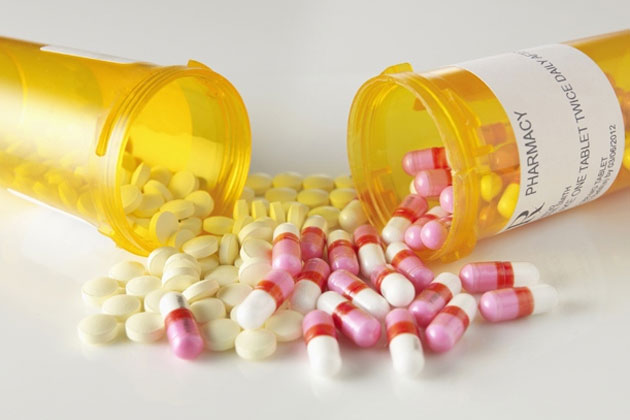
Chemotherapy is of central importance for controlling parasitic infections in many important in veterinary and medicine. However, control is interrupted by the emergence of drug resistance of a number of important type of parasite. Includes a wide range of systems, these parasites, including protozoa, helminths and arthropods. In order to achieve effective control of the parasite in the future, the recognition of resistance, diagnosis is important. For accurate early diagnosis of resistance to a particular drug for various types of parasites, the request can be realized by molecular modern technology potentially. In this document, it is a summary of the resistance state of the review number of available technologies of molecular diagnostics for resistance an important parasite. I examined the chance of success in the implementation of certain types of other species, resistance may be better understood. Practical application of the impact of technology in improving the control of parasites and molecular techniques are being considered.

Parasitic resistance may be defined in several ways. One is the ability to survive treatment with anti-parasitic drugs are effective against normal The same kind of parasite in the same stage with the same dose Infection. For particular, this ability is due to a change in gene frequency Resistance genes of existing mutations. Genetic mutation Then confers resistance, and is transmitted to the next generation Parasite. Another way, is to allow the antiparasitic drug dose has been approved has been affected by the cause mutation previously. You can see resistance is small spread to macrocyclic lactone and benzyl Ruminants. It is much smaller than the ruminant cattle parasitic resistance is small However, I am growing. In the horse, and there is considerable resistance to benzene Rather, resistance to macrocyclic lactone is being discussed.
Contributing Factors to the Development of Antiparasitic Resistance
Many mechanisms can provide resistance to parasites population. Resistance Class of anthelmintic particular, can contain multiple mechanisms. Several factors involved in the development of resistance, there is a parasite. One is the genetics of the parasite. I can be the development of parasitic resistance I caused by mutations in multiple genes or a single gene in the genome of the parasite. Further development of resistance, depending on the genes' genetic know-how Most of the resistance is likely genetic factors, environment is due Gene factors and is a dominant or recessive. But Recessive gene and dominant are transmitted at the same rate due to the resistance Were seen in parasite population of phenotype and earlier dominant gene Of resistance due to the recessive gene. You is because you need to seed The only inherit one copy of the dominant gene from one parent in order to express Rather than resistance, (one from each parent) two recessive copies. Another factor is the biological parasite. Number of egg production life cycle of the parasite relationship affect how quickly the host resistance will develop. It also plays a role.The function of the parasite to reproduce also parasite fitness, and survive an impact on the development of resistance. This is because the more parasite fitness is high, it will survive. This means that the possibility to reproduce without drug exposure of the parasite it is susceptible Similarly, survive high parasite resistance may have a higher fitness.

Control factor, can be separated in practice that increasing selection pressure practices remove (reduce the incidence of resistance gene) and (increased incidence of resistance gene) parasitic resistance pressure supply. The practice of some selective pressure has increased for parasite resistance. Such treatment is very common. Each treatment with anthelmintic eliminates the parasite susceptibility gene. A larger frequency of treatment, there are many opportunities to kill the parasite that is easily left behind Those of resistance. I is a large part of the resistant parasite in results Total parasite population. In addition, treatment of the entire herd is such practice another. Removing the parasite susceptible animals from all at once, to handle the whole herd of the same time. This increases the proportion of resistant parasites in total parasite. In addition, deworming LASO strategic, plays a role. Not a deworming treatment strategy, the environment, where is the parasite most animal host. In most cases, processing after killing the eggs and larvae on pasture is done in spring and autumn hot and harsh winter, the dry summer. After treatment It is left to the reception of the animal, parasite resistance, has produced eggs that harbor Resistance gene. After throwing eggs on the meadow, and the host animal. The total number of eggs and larvae is small in pasture, Deworming in strategic, the proportion of resistant eggs is rising Leading to increased incidence of resistance genes to the total parasite Population. Further, inadequate quarantine procedures also increased selective pressure for resistant parasites. You can animals newly purchased Port resistant parasite. Rookie, if it is introduced into the herd or flock As previous steps in the appropriate quarantine (without following Introduction of new animals, treatment with performance and anthelmintic Processing) of fecal egg count reduction test is valid for sure, but they The incidence of resistant parasites can throw eggs increased Resistance gene on the farm. Finally, at low doses, it is such practice another. In resistance, as a result, treatment of animals approved dose less than the population of parasites anthelmintic exposed to inadequate treatment level.
GENTAUR Belgium BVBA BE0473327336 Voortstraat 49, 1910 Kampenhout BELGIUM Tel 0032 16 58 90 45 Fax 0032 16 50 90 45 info@gentaur.com GENTAUR Ltd. GB111298832 Howard Frank Turnberry House 1404-1410 High Road Whetstone London N20 9BH Tel 020 3393 8531 Fax 020 8445 9411 |
GENTAUR France SARL FR63484237888 9, rue Lagrange, 75005 Paris Tel 01 43 25 01 50 Fax 01 43 25 01 60 RCS Paris B 484 237 888 SIRET 48423788800017 RIB 30004 00187 00010092253 10 BNP PARIBAS PARIS PL MAUBERT BIC BNPAFRPPPRG IBAN FR76 3000 4001 8700 0100 9225 310 france@gentaur.com |
GENTAUR GmbH DE815175831 Marienbongard 20 52062 Aachen Deutschland de@gentaur.com Tel 0241 95 78 94 78 Tacka Vancheva Tel logistics 0241 4008 9086 Annick Verdeyen Fax 0241 55 91 05 36 Bankleitzahl 39050000 IBAN DE8839050000107569353 Handelsregister Aachen HRB16058 Steuernummer 201/5961/3925 de@gentaur.com |
GENTAUR Nederland BV NL850396268B01 Kuiper 1 5521 DG Eersel Nederland KVK nummer 52327027 Tel: 0208-080893 Fax: 0497-517897 nl@gentaur.com IBAN: NL04RABO0156985462 SWIFT RABONL2U GENTAUR Ltd. GB111298832 Howard Frank Turnberry House 1404-1410 High Road Whetstone London N20 9BH Tel 020 3393 8531 Fax 020 8445 9411 |
GENTAUR U.S.A Genprice Inc, Logistics 547, Yurok Circle San Jose, CA 95123 Phone: (408) 472-2934 Fax:(408) 416-3994 Phone (718)513-2983 sales@genprice.com Genprice Inc, Invoices and accounting 6017 Snell Ave San Jose, CA 95123 |
GENTAUR Italy 20135 Milano Tel 0236006593 Fax 0350085071 italia@gentaur.com GENTAUR Spain tel:0911876558 spain@gentaur.com GENTAUR BULGARIA BG20135893153, Graf Ignatiev Str. ent.V, fl. 2 Sofia 1000 Tel 0035929830070 Fax 0035929830072 sofia@gentaur.com |
ГЕНТАУЪР БЪЛГАРИЯ ID # 201 358 931 BULSTAT София 1000 ул. "Граф Игнатиев" 53 вх. В, ет. 2 Tel 0035929830070 Fax 0035929830072 e-mail: Sofia@gentaur.com IBAN: BG11FINV91501014771636 BIC: FINVBGSF |
Other countries Österreich +43720880899 Canada Montreal +15149077481 Ceská republika Praha +420246019719 Danmark +4569918806 Finland Helsset +358942419041 Magyarország Budapest +3619980547 Ireland Dublin +35316526556 Luxembourg +35220880274 Norge Oslo +4721031366 Sverige Stockholm +46852503438 Schweiz Züri +41435006251 US New York +17185132983 |